
Buy with Confidence
Mid-Mo Home Buyers Guide
Understand what to expect, what questions to ask, and where a good buyer’s agent can help from the first conversation through closing.
When writing this guide, it was tempting to turn the entire thing into an advertisement for Madison Street Realty, but that would have defeated the purpose. I'm sure some will creep in here and there as we look at a few things differently than most agents, but my hope is that this genuinely helps you better understand the process.
If you are not already working with an agent, we would love it if you would give us a call so we can explain what we offer.
— Matt
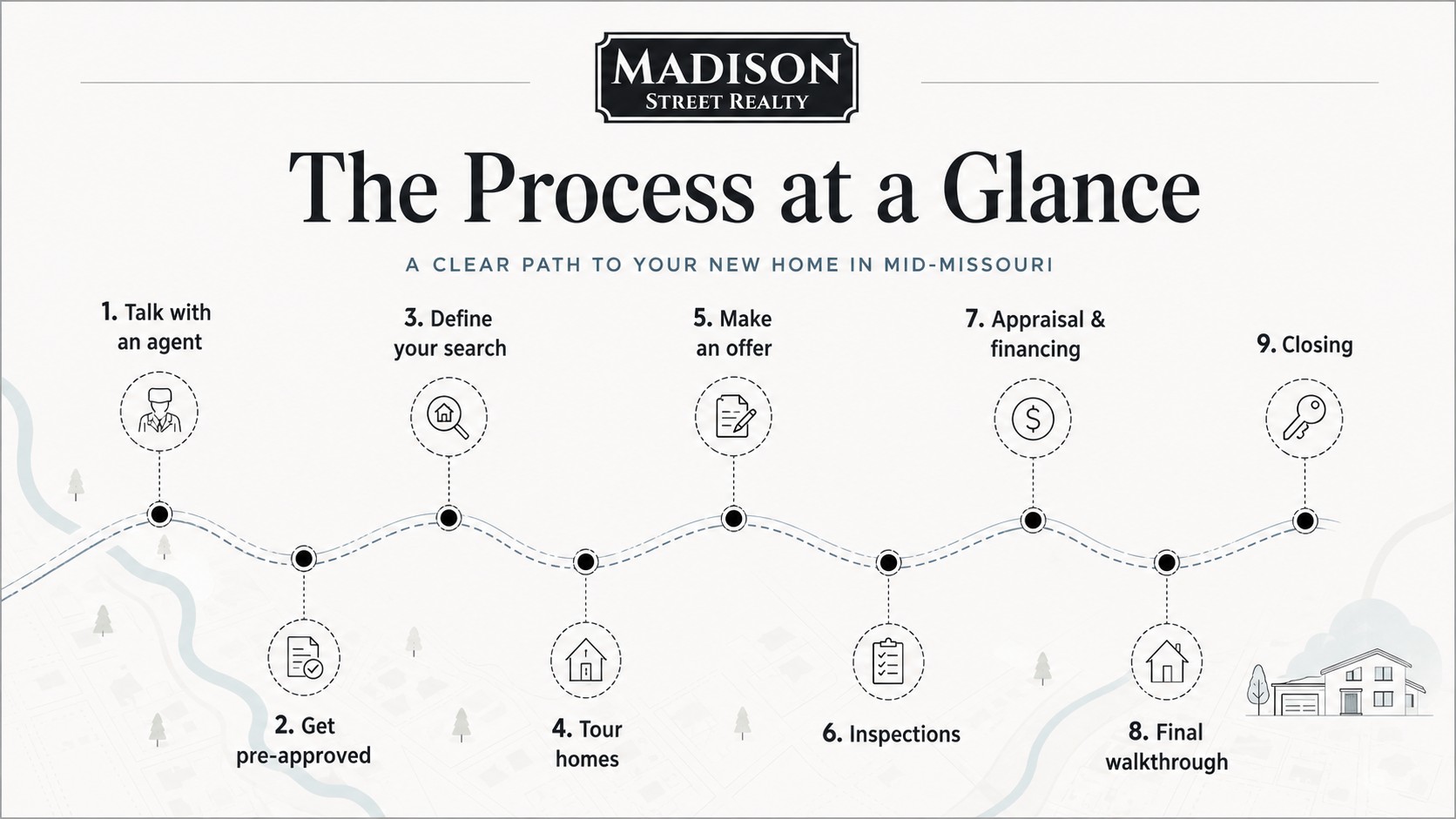
When starting the buying process, things can feel complicated. There are a lot of moving parts: loans, inspections, appraisals, even what to offer. The good news is that most of this does not happen simultaneously. By breaking the process into steps, it becomes much easier to manage.
This guide is designed to walk you through the process in plain language—not simply tell you what to do, but explain why each step matters, what you are likely to encounter, and where a good buyer's agent can help.
The Process at a Glance
Start With a Conversation
Most buyers begin by looking at homes online. That's a perfectly reasonable way to start thinking about what you like, where you might want to live, what homes cost, and probably how you found this guide. But before you get too far into the search, it can be helpful to talk with a real estate agent.
You do not need to know exactly what you want yet. In fact, that is part of what the first conversation is for. Let's consider a few possibilities:
- Maybe you already own a home and need an idea of what it might list and sell for before you can determine how much you want to spend on the next one.
- Maybe you are considering an area where USDA financing could be an option.
- Maybe you have questions about down payments, closing costs, or whether you should buy before you sell.
A good buyer's agent can help you understand what questions to ask when you speak with a lender. The goal is not to insert an agent into a financing decision. Your lender is the financing professional. The goal is to help you go into that conversation knowing what you are trying to accomplish and what questions you should be asking.
Then Get Your Financing in Order
Once you have a general idea of your goals, one of the most important early steps is speaking with a lender and getting pre-approved. This allows you to establish what price range you are comfortable with and makes sure you are prepared when the right property comes along. Some sellers even require evidence of pre-approval before allowing a showing.
More importantly, if a seller is considering multiple offers, an offer from a buyer who has already demonstrated the ability to obtain financing is likely to be considered stronger than one from a buyer who is still trying to arrange it.
The last thing we want is for you to find the right home and lose the opportunity because the financing conversation has not happened yet.
Know What You Can Comfortably Afford
A lender can help determine how much you may qualify to borrow, but qualifying for an amount does not necessarily mean that is what you should spend.
A mortgage payment is only part of the cost of owning a home. Property taxes, homeowners insurance, mortgage insurance where applicable, utilities, HOA fees, maintenance, and repairs all affect the real monthly cost. An agent can provide the last year's property tax amount and often obtain past utility bills or average usage information. It's important to remember that two houses with similar prices can have very different monthly operating costs.
Your lender should also estimate the amount of cash you will need at closing. That may include your down payment, lender costs, title-related expenses, prepaid taxes or insurance, and other items.
Seller-paid closing costs can sometimes reduce the amount of cash you need to bring to closing. These are another part of the overall negotiation, and later we'll explain how they affect an offer.
Searching Online Is Only the Beginning
Online listings are useful, but they are best treated as a starting point. Photos can make rooms appear larger than they are, fail to show something important, or simply make it difficult to understand how a house actually flows. Listing descriptions are also written to market the property, so they do not necessarily answer every question a buyer should ask. This is where the buyer's agent's job really starts. It's time to begin touring homes.
This is often when buyers discover that the list they made before looking at properties online was only a starting point. Something you thought was optional may become important. Something you thought you absolutely needed may turn out not to matter nearly as much as expected. This is normal, and it's also where a good buyer's agent can help you work through your ideas.
A good buyer's agent should do considerably more than open doors.
We are there to understand what your needs are. Where are you considering living? What matters most in the property? What would be nice to have but isn't essential? Are you looking for something turnkey, or are you comfortable making improvements? Then we can be actively watching the market, creating automated searches, and working through our contacts rather than simply waiting for you to send a listing.
Touring Homes: Look Beyond the Paint
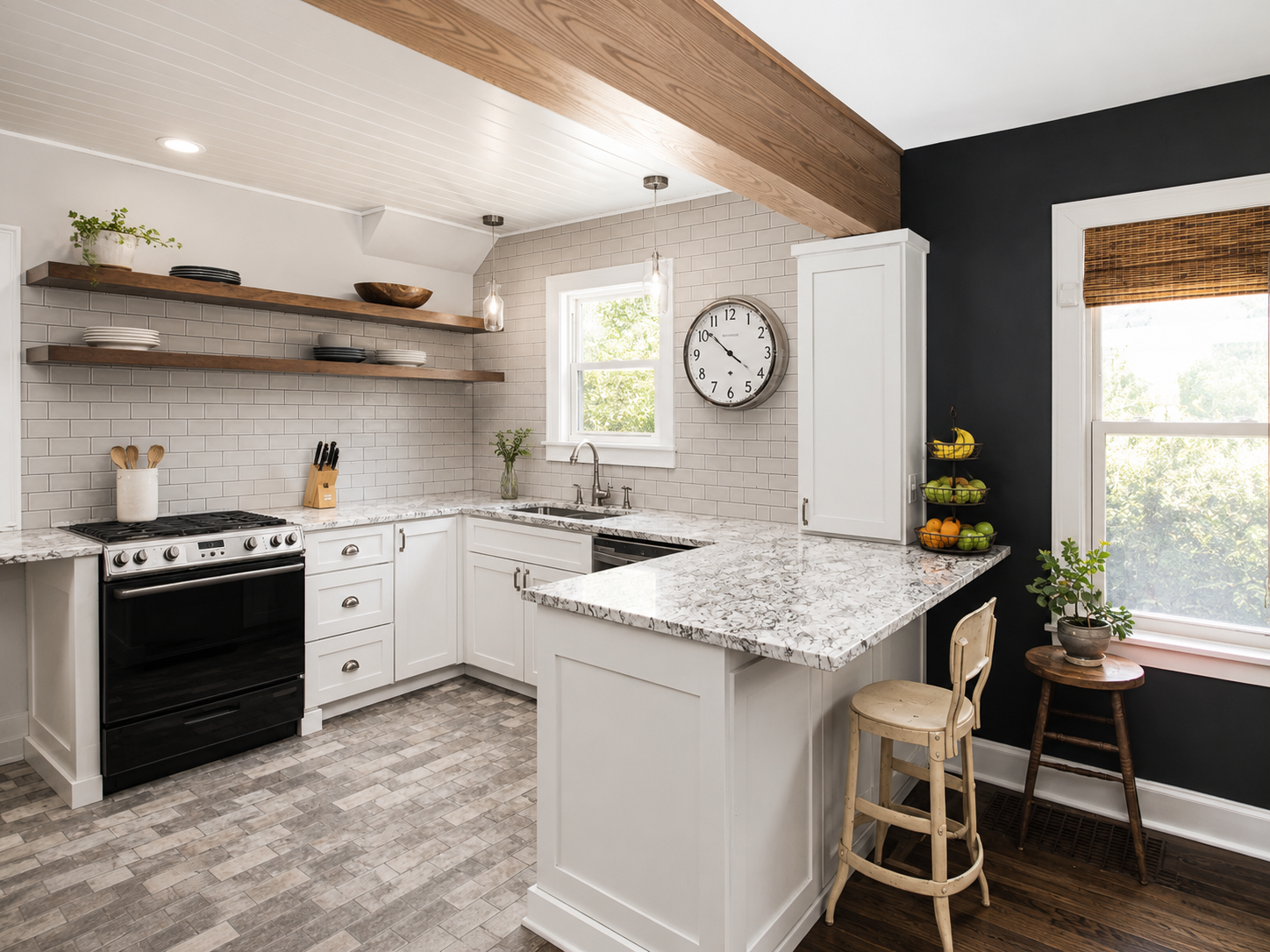
When you walk into a house, the first things you notice are usually the things you can see immediately: paint colors, flooring, countertops, furniture placement, and how the rooms feel.
Those things matter, but they are not always the expensive parts of the house.
Our job is to give you the information and context to understand what you're buying and whether the price and terms make sense.
A home that needs some paint or flooring but has updated mechanicals may still be a much better value than a beautifully updated home with an aging roof and HVAC system.
During showings, we keep an eye out for obvious concerns and consider the apparent age and condition of major systems. If something looks questionable, we will point it out and may suggest having an appropriate professional investigate it further. One thing to understand, though, is that we are not home inspectors, and we do not pretend to be. Our role is to help you look beyond the surface and recognize the questions worth asking.
Make Notes While the Homes Are Fresh in Mind
When touring homes, it's easy for them to start running together. I can't count the number of times over the years that I have heard agents talk about showing someone a number of houses in a day and, magically, they always write an offer on the last one.
This is why I encourage taking a couple of minutes after each home to write a quick pro/con list. It doesn't have to be in depth; just hit the high points. That way, if you like two houses, the notes give you something concrete to compare instead of automatically favoring whichever one you saw most recently. And if you do not like any of them, the notes help us understand why and refine the search.
Sometimes learning what you do not want is the fastest way to figure out what you do.
Choosing the Setting That Fits You
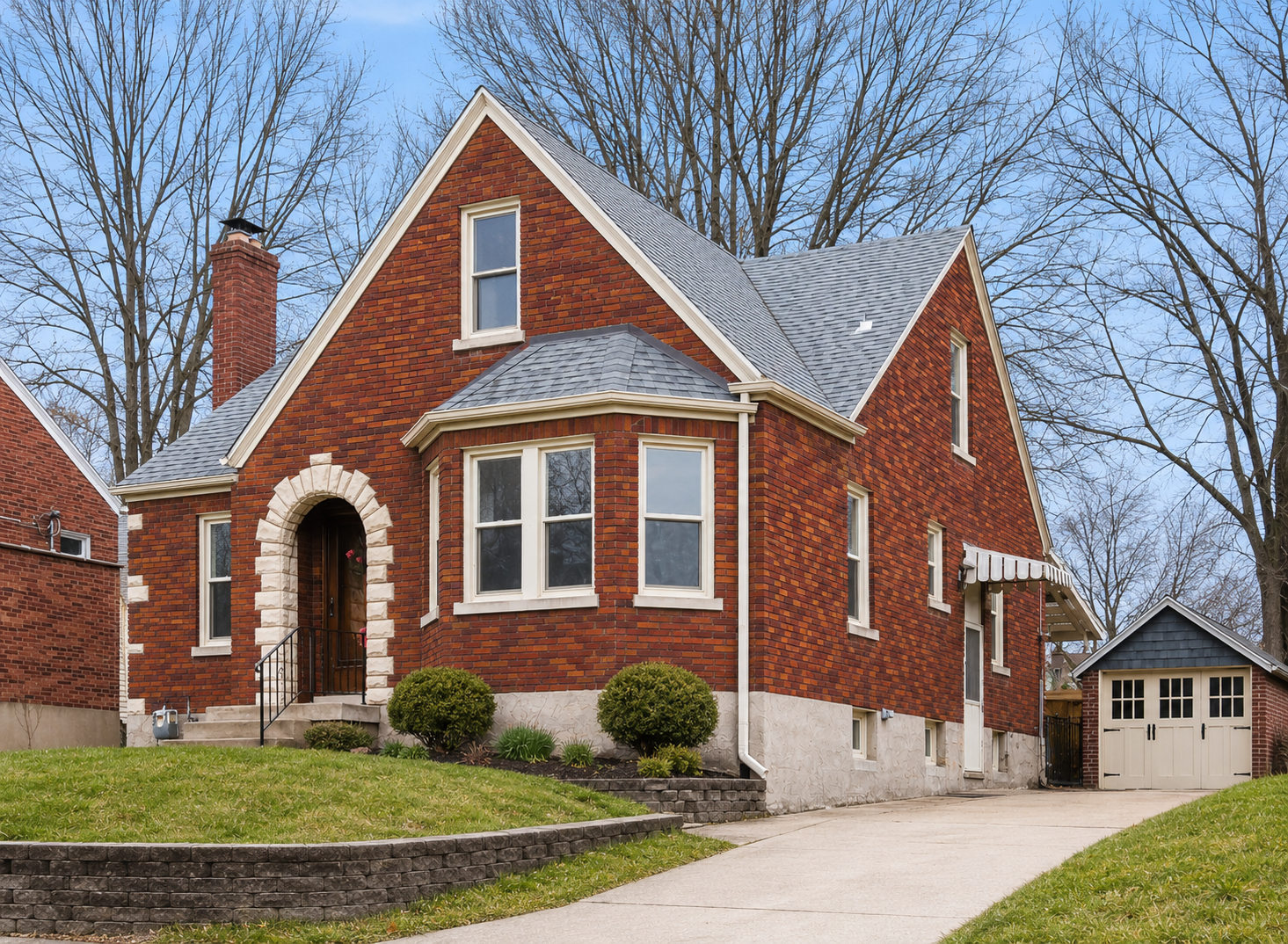
One of the advantages of buying in Mid-Missouri is the range of living environments available within a relatively compact area.
You might prefer being near the center of Jefferson City or having a couple of acres outside town. Perhaps you are drawn to newer construction and modern amenities or prefer an older home with historic character. You might want a traditional neighborhood, a subdivision, a rural setting, or something in between.
Our office is in Jefferson City, but our agents work throughout Mid-Missouri—from Holts Summit to Eugene and Linn to California, along with all of the communities in between.
For someone relocating to the area, we can help compare practical considerations such as commute, property types, utilities, lot sizes, and nearby amenities. We are here to help you understand those differences so you can decide which setting fits your priorities.
Buying Outside Town? Ask Different Questions

A home on acreage or outside municipal services can introduce considerations that may never come up when buying a conventional city property.
Depending on the property, we may discuss whether the home has public water or a private well, municipal sewer or a septic system or lagoon, propane service, road maintenance, easements, surveys, fencing, outbuildings, property boundaries, and internet availability.
None of those things is inherently good or bad; they simply affect how the property works and what ownership may involve.
Eventually, You Find One
Then it happens.
A house comes along that feels different from the others. Maybe it has everything on your list, maybe it doesn't, but the compromises make sense.
Writing the Offer
Purchase price receives most of the attention, but it is only one part of an offer.
Financing, earnest money, seller-paid closing costs, inspections, appraisal provisions, closing date, possession, personal property, and other contingencies can all affect both the strength of an offer and the amount of risk a buyer is accepting.
We'll explain those terms before you sign so you understand both the strategy and the risk involved.
What Is the House Worth?
The asking price tells us what the seller is asking. It does not automatically tell us what the property is worth or what you should offer.
To start with, we look at comparable sales along with the home's condition, features, time on market, current competition, and the relationship between recent list prices and actual sale prices. From that information, we can tell you what we would list the property for and what we would expect it to sell for.
That is deliberately different from saying:
Offer this amount.
Let's look at a simple scenario that illustrates why we can't tell you what to offer.
The Lowest Price Is Not Always the Best Deal
Suppose you find a house with almost everything you have been looking for, but you and the seller are $5,000 apart. Walking away can feel like saving $5,000.
But that may not actually be the choice you are making.
The real choice might be between paying another $5,000 for this house and continuing to search. If you are renting, several more months of searching also means several more months of rent. And if the next house needs a roof or HVAC system that this one already has, the property with the lower purchase price may not ultimately cost less.
That does not mean you should simply pay whatever a seller wants.
Sometimes paying a little more for the right property makes sense. Sometimes walking away is absolutely the right decision. Conversely, your "it's close enough" house may be someone else's dream house, and they are willing to pay $10,000 more.
The important thing is understanding any trade-offs and assessing the home's value to you. A buyer's agent's job is to give you meaningful market information and help you understand what it suggests so you can make an informed offer.
What About Multiple Offers?
When several buyers want the same property, the pressure to “win” can make it tempting to strengthen an offer without thinking carefully about what each concession means.
Price may matter, but so can financing, seller-paid expenses, earnest money, closing date, appraisal terms, inspection provisions, and other details.
We will never suggest giving up an important protection such as an inspection or appraisal provision without explaining the potential consequences.
The goal is not simply to win the house. It is to reach an agreement you understand and can live with.
Earnest Money: Showing the Seller You Are Serious
Once a seller accepts your offer, they may take the property off the market and begin making plans around the expected closing. Earnest money is one way to demonstrate to the seller that you are serious about completing the purchase.
There is no single amount of earnest money that is right for every transaction. The best way to approach this is to put yourself in the seller's shoes and consider how they will view your offer.
One other thing to understand about earnest money: when your offer is accepted, you will deposit it into an escrow account named in the contract; it does not go to the seller. Typically, it is used as part of your down payment at closing, but it's the contract that actually determines what happens to earnest money under different circumstances, not what is customary.
As part of writing an offer, a buyer's agent should explain the relationship between contingencies and whether or not you will lose your earnest money if you don't close. We will explain how the applicable contingencies work and what options they may provide before the offer is submitted.
Your Offer Is Accepted
Once the seller accepts your offer, the nature of the transaction changes.
This is where many of the protections and terms we discussed before writing the offer start to matter.
Inspections: Understand What You Are Buying
We believe professional home inspections are important because they help you better understand the condition of the home you are purchasing. An inspector may identify current problems, items that deserve further evaluation, and maintenance or repairs you may need to anticipate in the future.
The goal of an inspection is not perfection; it is understanding what you are buying.
Keep the Big Picture in Mind
Inspection reports can be long, but not every item carries the same weight.
A structural concern, major mechanical problem, safety issue, or significant water problem may deserve serious attention. A small maintenance item may not.
If an inspection identifies a significant concern, your options will depend on the terms of your contract. You may ask the seller to make a repair, negotiate some form of financial compensation, accept the condition as it is, or, if your contract gives you the right, decide that the issue is serious enough to walk away.
We will explain how the inspection process and its contingencies work before you make an offer so you know what options will be available later.
The Appraisal
If you are financing the purchase, your lender will normally require an appraisal.
An appraisal is different from a home inspection. The inspector is focused primarily on the property's physical condition. The appraiser is developing an opinion of value for the lender.
That distinction becomes especially important when an offer may exceed the property's appraised value.
A Simplified Example
Suppose you agree to buy a home for $250,000 using financing that allows a 5% down payment.
You might initially expect to put approximately $12,500 toward the purchase price.
Now suppose the property appraises for $240,000.
If the lender is willing to lend 95% of the appraised value, the loan would be approximately $228,000.
To complete a $250,000 purchase, you would now need approximately $22,000 toward the purchase price.
That is about $9,500 more than originally expected.
Actual loan requirements vary, but the example illustrates why appraisal protections matter.
That is why waiving or limiting an appraisal contingency should never be treated as meaningless language and used to make an offer stronger without first working through the possibilities.
Keep Your Financing Boring
While you are under contract, boring finances are usually good finances.
Your lender may continue verifying your employment, income, assets, debts, and other information right up until closing. A new vehicle loan, new credit account, major unexplained deposit, large transfer of funds, or job change can create questions or even affect your loan approval.
If you are thinking about making a significant financial change while buying a home, talk with your lender first.
The last thing anyone wants is for a new truck to create a financing problem a few days before closing.
The Work Continues Behind the Scenes
While dealing with inspections and financing, several other parts of the transaction are moving simultaneously.
The title company is completing title work and preparing for the transfer of ownership. Your lender is processing the loan. Insurance needs to be arranged. Contract deadlines have to be monitored. Repairs or other negotiated items may need attention, and documents will continue arriving for signatures.
Part of our job during this stage is keeping track of the transaction and helping you understand which items require your attention and when.
Almost Home
Eventually, the inspection period is complete, financing is approaching the finish line, title work is underway or complete, and closing day is getting close.
The Final Walkthrough
We try to perform the final walkthrough as close to closing as practical.
It is not a second home inspection.
Its purpose is to confirm that the property is substantially in the expected condition, agreed-upon items have been addressed where applicable, and nothing significant has changed since you last saw it.
A few years ago, I had a vacant home listed where the buyer's agent told the buyers not to worry about the final walkthrough. Shortly before closing, a sink supply line developed a leak. Fortunately, the sellers discovered it and took care of the repair.
It is still a good reminder of why the walkthrough matters. If that line had failed a day or two earlier and gone unnoticed, the buyers would have taken ownership of a damaged home with no easy recourse.
Closing Day
In our area, title companies typically handle the title side of the closing, and lenders may also attend to complete loan documents. Your agent will explain how any funds required for closing should be delivered and what you will need to bring.
Once at closing, you will sign the documents necessary to complete the transaction, funds will be handled according to the closing instructions, and ownership will transfer according to the documents you sign.
Finally, you get the keys!
And the home-buying process becomes homeownership.
Ready to Start Thinking About Your Next Home?
If you've made it this far, you've already taken an important first step: understanding the process before you're under pressure to make decisions. You don't need to have every answer before talking with us—in fact, figuring out the right questions is often where a good buyer's-agent relationship begins.
We take the time to understand what you're trying to accomplish, actively help you search, and give you the local information and guidance you need to make informed decisions.